


Planning to Buy an Apartment? Don’t Ignore
21 October, 2026"স্বপ্নের বাড়ি, আমরা গড়ি"
"স্বপ্নের বাড়ি, আমরা গড়ি"
 14 June, 2026 |
  by Admin
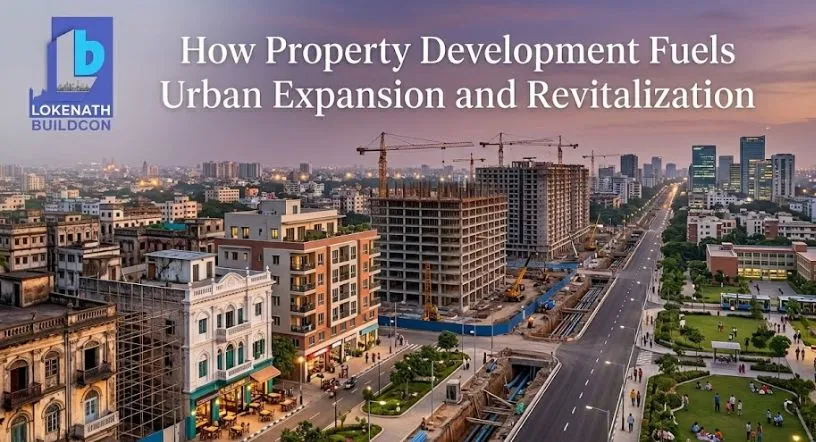
If you observe the expansion of cities, it’s usually not a haphazard process. The new residential areas, business centers, and even that type of commercial street with the café on the ground floor and apartments on the upper floors have been brought into being owing to a conscious effort by the property developers. Hence, it is common to observe a lot of focus and consideration for the best real estate developers in Kolkata, since the course of a city’s expansion is largely determined by the developers themselves.
The construction of property is not only limited to erecting buildings but also entails making an entire city. The development of a new residential estate will attract families who will need more schools and transportation services. Business developments, on the other hand, attract investors, creating employment opportunities. With the developments becoming interlinked, the pace of urbanization increases, while redevelopment makes an area more vibrant through better infrastructure.
Property development is very important for the growth of cities. It involves construction, redevelopment, better infrastructure, and improvement of neglected spaces, which leads to growth and regeneration.
Expansion of a property is frequently the very first step that stimulates the expansion of the city. Construction of a housing town will result in further growth in roads, services, and the transport network. It can be compared to a pebble that creates ripples on water; they are small at first but continue to spread in all directions. Developers like Lokenath Buildcon have contributed to the creation of such zones where vacant plots have been converted into integrated neighborhoods.
The construction process creates jobs for engineers, workers, architects, and suppliers right away. However, that’s not the only way construction affects the community. New homes and buildings will increase the need for retail workers, maintenance people, delivery people, and others to serve the new facilities. Thus, the effects build on each other over time.
The modern process of development of properties is inseparable from the rules of planning and design of urban space. Proper planning contributes to decreasing congestion in the city center through the distribution of population and business activities. This is an important factor. Otherwise, congestion may develop.
Over time, development doesn’t just build structures; it builds communities. The formation of schools, stores, playgrounds, and community centers starts taking place surrounding residential clusters. The area becomes more self-sufficient, meaning residents don’t have to travel far to meet their daily requirements. That’s when a development stops being just a project and starts functioning like a living part of the city.
Nothing moves infrastructure faster than new development. Once housing or commercial projects come up, you suddenly see better roads, drainage systems, street lighting, and utility networks following close behind. It’s not just convenience; it’s a necessity. A single project can trigger upgrades that benefit entire surrounding areas, not just the development itself.
Some parts of a city lose activity over time. Neglected and isolated regions may often be underused. Strategic redevelopment turns things around. With redevelopment underway, companies move in, areas become attractive, and the whole perception of the region changes. It’s not instant, but over a few years, the transformation becomes obvious.
Property development sits at the core of how cities expand and renew themselves. In turn, growth is driven to expand, and infrastructure trails behind to bring new life to territories that were asleep until now. As time passes, the connections formed by these projects become integral in forming an improved urban setting, one where development and rejuvenation are interconnected.

Planning to Buy an Apartment? Don’t Ignore
21 October, 2026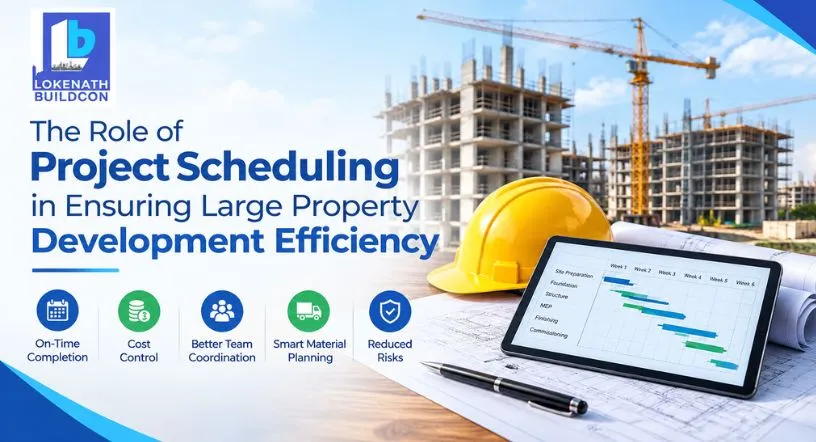
The Role of Project Scheduling in Ensuring La
14 October, 2026
Essential Tips for Evaluating Balcony Space W
07 October, 2026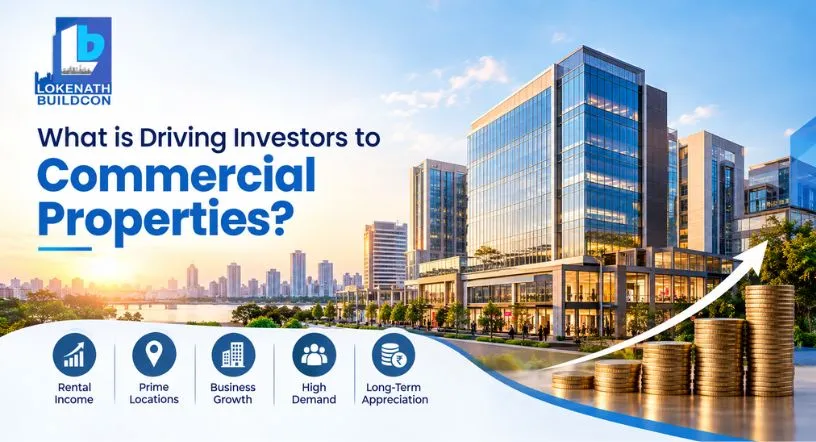
What is Driving Investors to Commercial Prope
28 September, 2026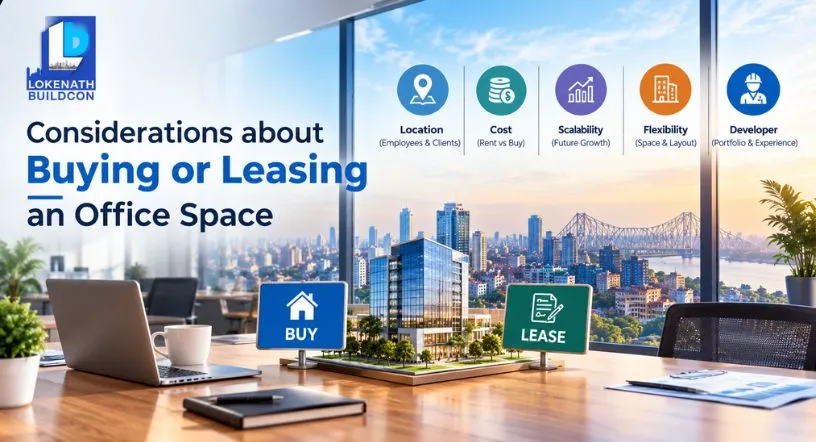
Considerations about Buying or Leasing an Off
21 September, 2026
How IoT Transforms an Ordinary Home into a Lu
14 September, 2026
Why Look for a Smart Door Lock before Buying
07 September, 2026
What Makes 1 BHK Apartments Trendy among Youn
28 August, 2026
Do 3 BHK Apartments Offer Higher ROI?
21 August, 2026
Is Your Apartment Monsoon Ready? Consider a F
14 August, 2026


Enquire Now
 Call
Call WhatsApp